
The Complete List
Wildlife of Tennessee: Every Animal We Deal With
59 animals with photos, signs, risks and what we do about each one, from squirrels and raccoons to bats, snakes, birds and wasps.
Call us today615-357-7797- We Remove ItRemoval service
- Humane ExclusionExclusion and deterrence
- Protected SpeciesProtected: advice and exclusion
- Call TWRA FirstReport to TWRA, we help prevent conflict
- Identify FirstUsually harmless, we identify it
Showing all 59 animals
 We Remove It
Squirrels and Rodents
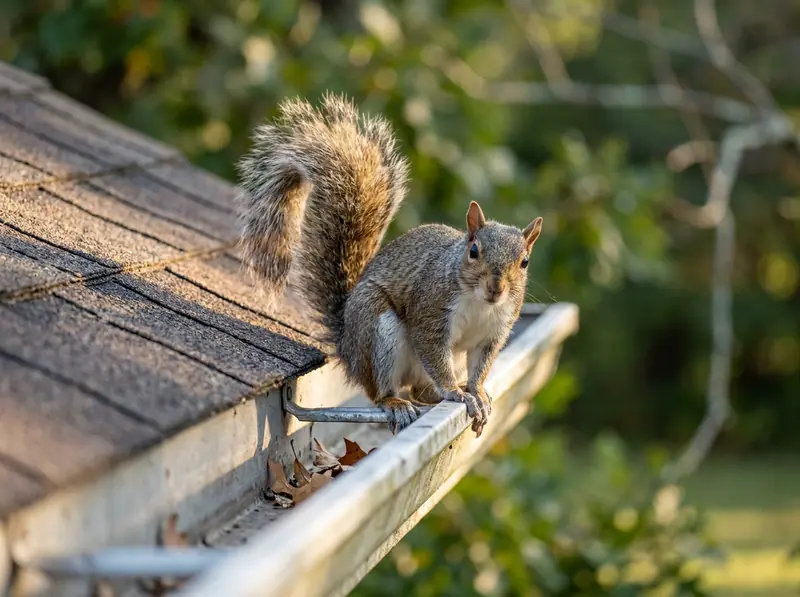
Eastern Gray Squirrel
Sciurus carolinensis
Chews wiring and ducts, and a wire fire is the biggest danger.
 We Remove It
Squirrels and Rodents
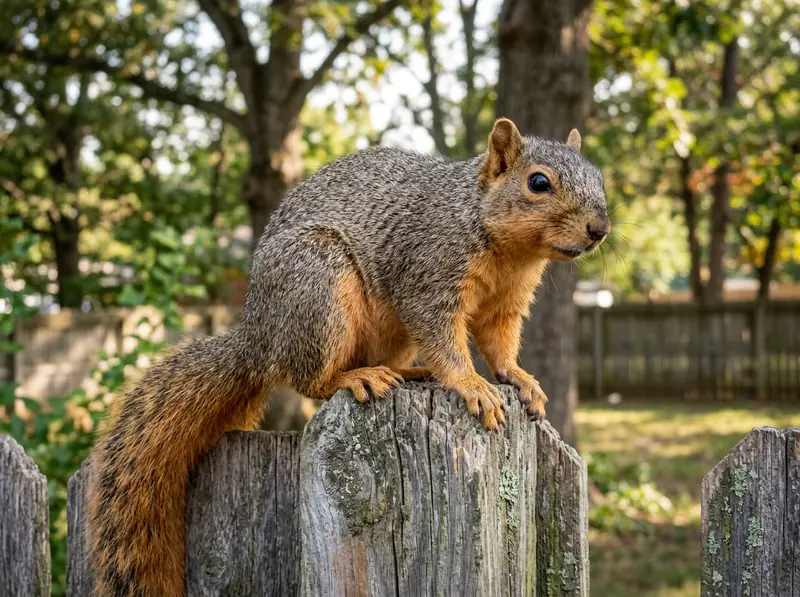
Eastern Fox Squirrel
Sciurus niger
Bigger and bolder than a gray squirrel, with the same chewing habit.
 We Remove It
Squirrels and Rodents
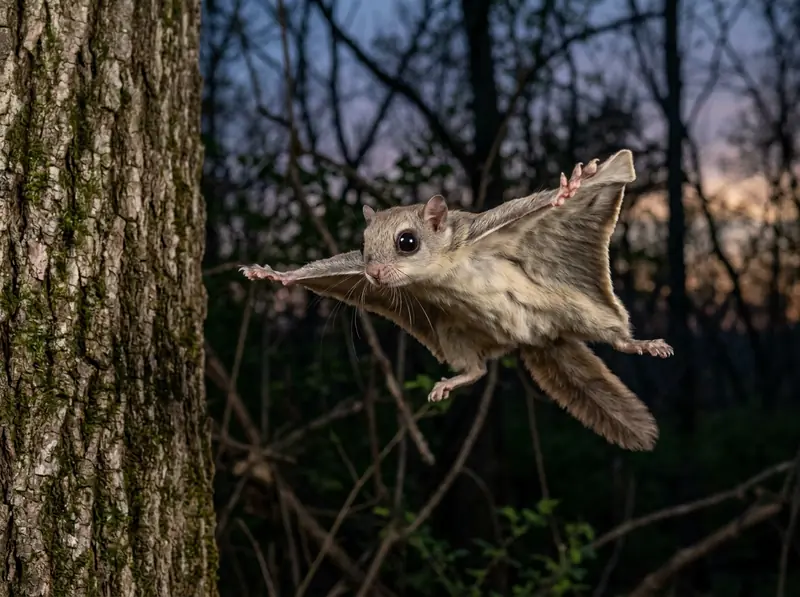
Southern Flying Squirrel
Glaucomys volans
Often in groups, they soil insulation and are rarely noticed until the attic is full.
 We Remove It
Squirrels and Rodents
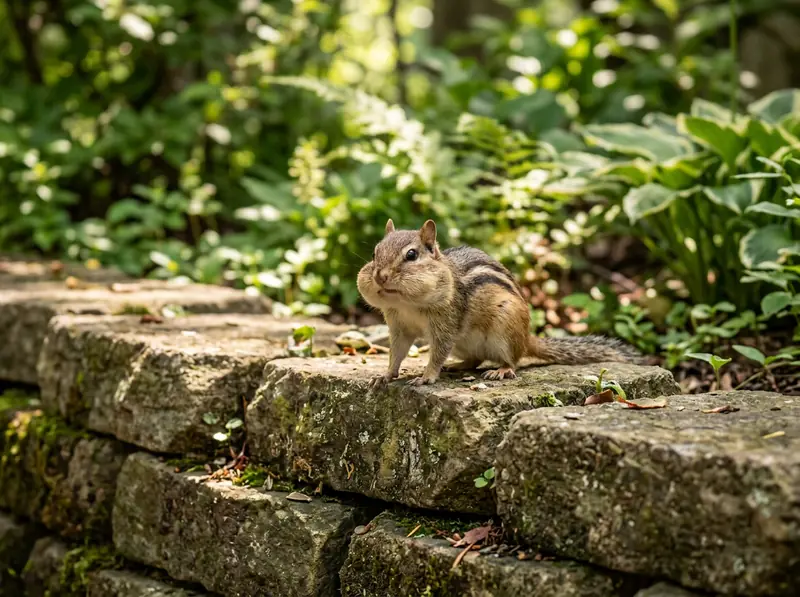
Eastern Chipmunk
Tamias striatus
Burrows can undermine walls and steps, and they raid gardens.
 We Remove It
Squirrels and Rodents
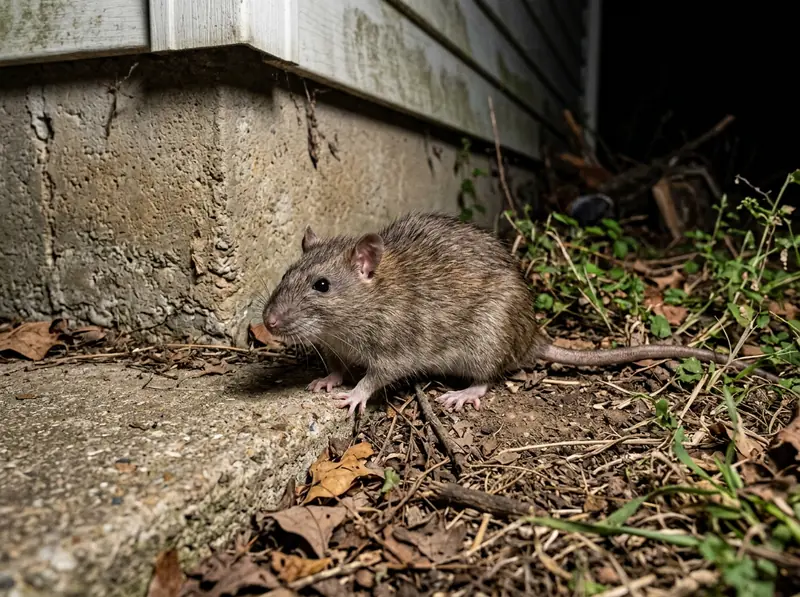
Norway Rat
Rattus norvegicus
Spreads disease and breeds quickly, and one pair can become dozens in months.
 We Remove It
Squirrels and Rodents
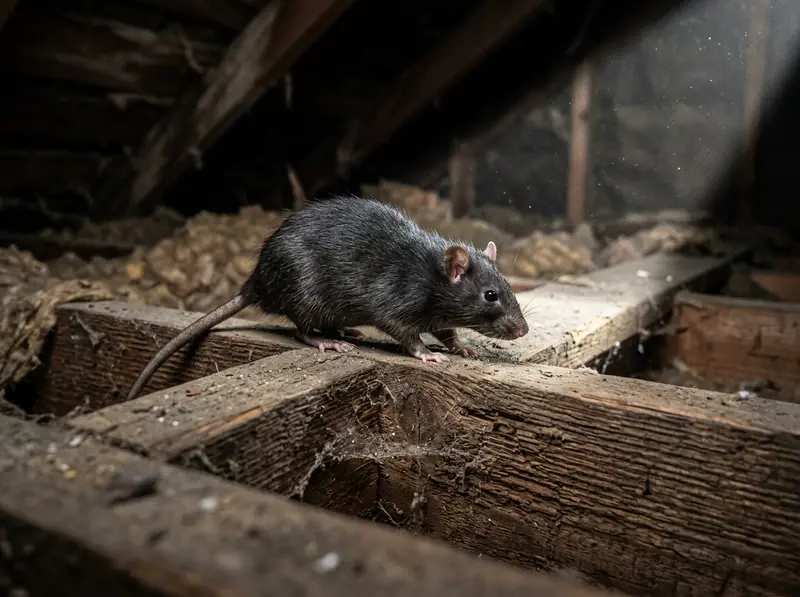
Roof Rat
Rattus rattus
A climber that gets into attics from tree limbs and wires.
 We Remove It
Squirrels and Rodents
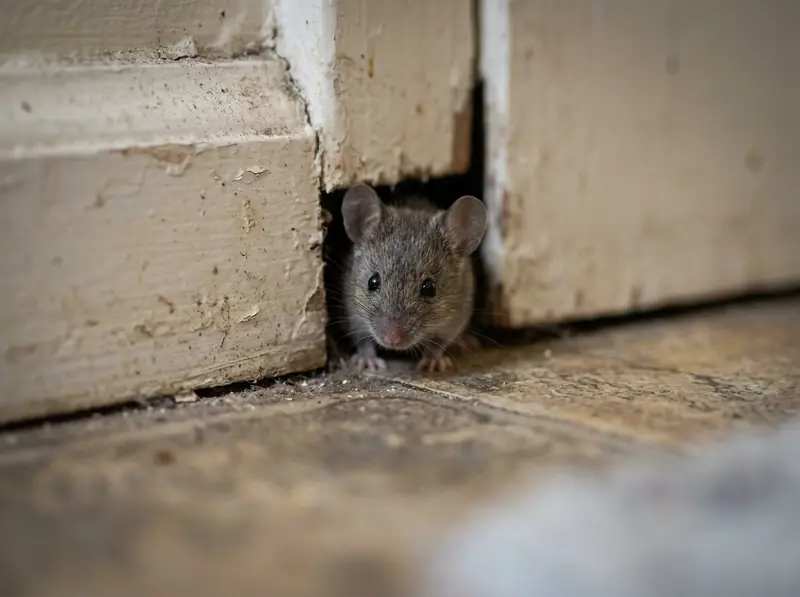
House Mouse
Mus musculus
Contaminates food and chews wiring, and a female can have many litters a year.
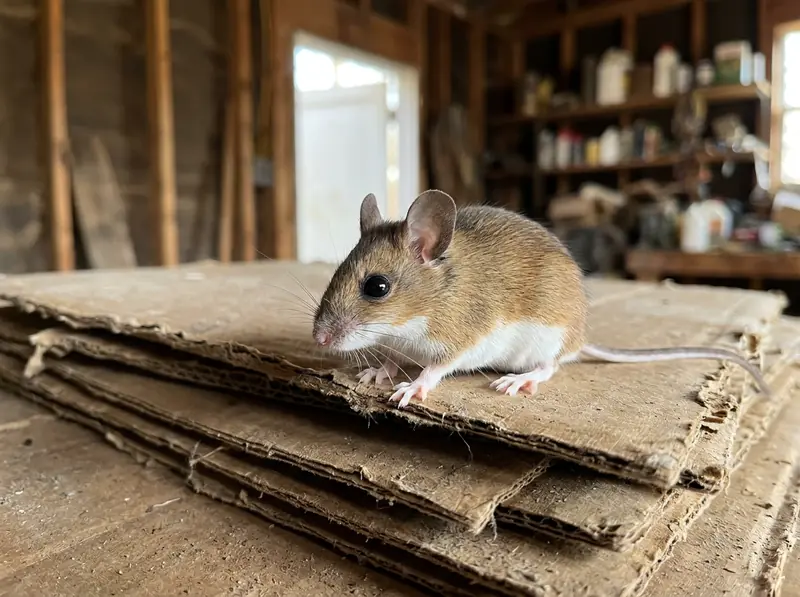 We Remove It
Squirrels and Rodents
White-footed and Deer Mouse
Peromyscus
Can carry hantavirus, so droppings must be cleaned with care.
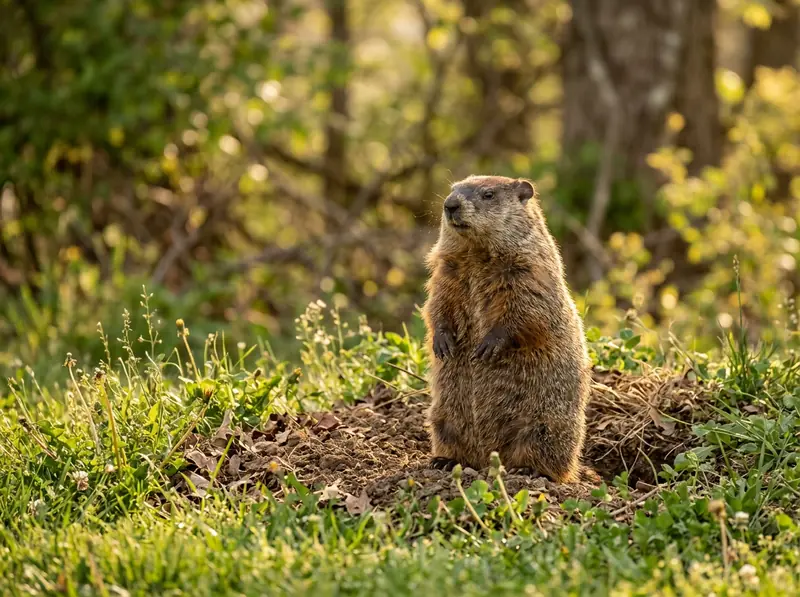 We Remove It
Yard and Garden
Groundhog (Woodchuck)
Marmota monax
Burrows weaken foundations, slabs and equipment paths.
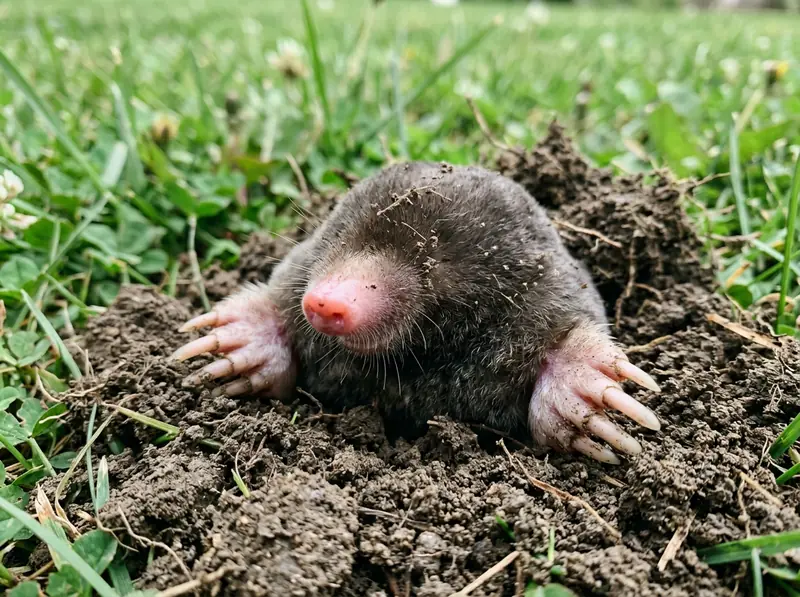 We Remove It
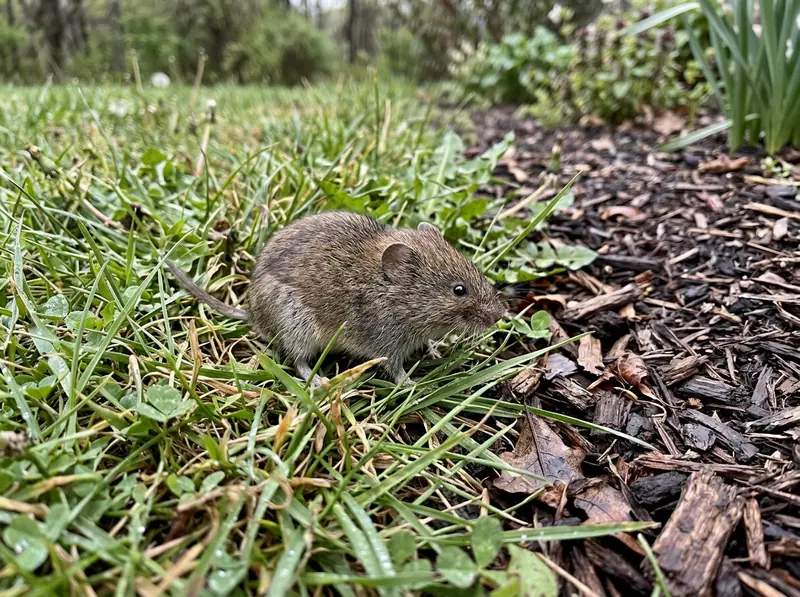 We Remove It
Yard and Garden
Meadow Vole
Microtus pennsylvanicus
Girdling can kill young trees and ornamental shrubs.
 We Remove It
Yard and Garden
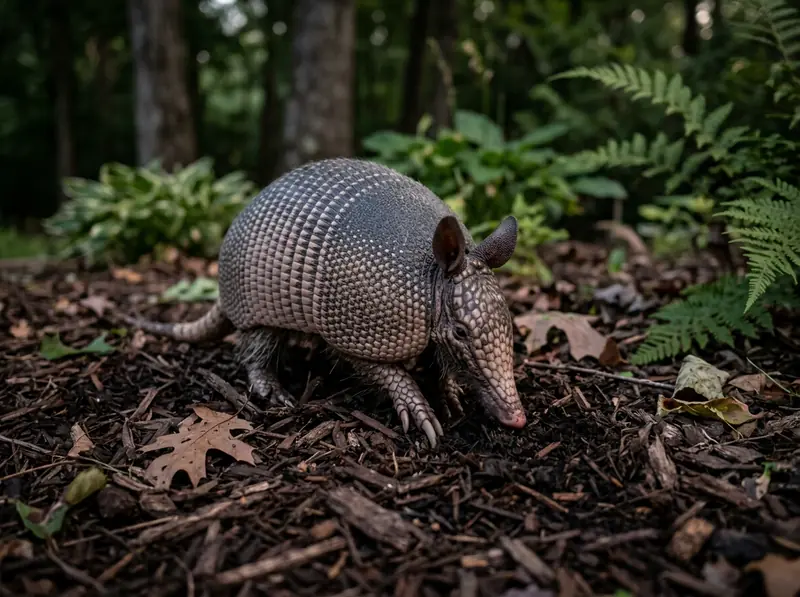
Nine-banded Armadillo
Dasypus novemcinctus
Digging damages lawns and foundations, and they can carry leprosy bacteria.
 Humane Exclusion
Yard and Garden
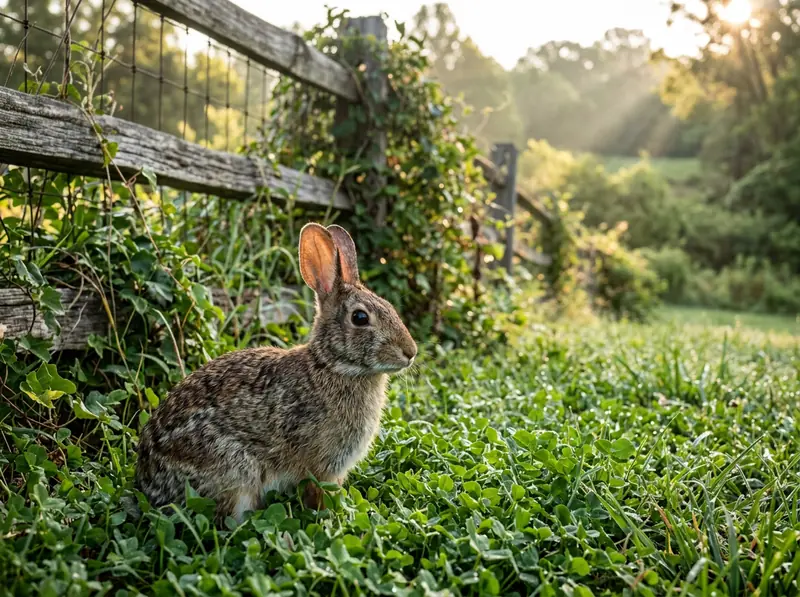
Eastern Cottontail Rabbit
Sylvilagus floridanus
Strip gardens and girdle young shrubs, and nests are easy to disturb by mistake.
 We Remove It
Yard and Garden
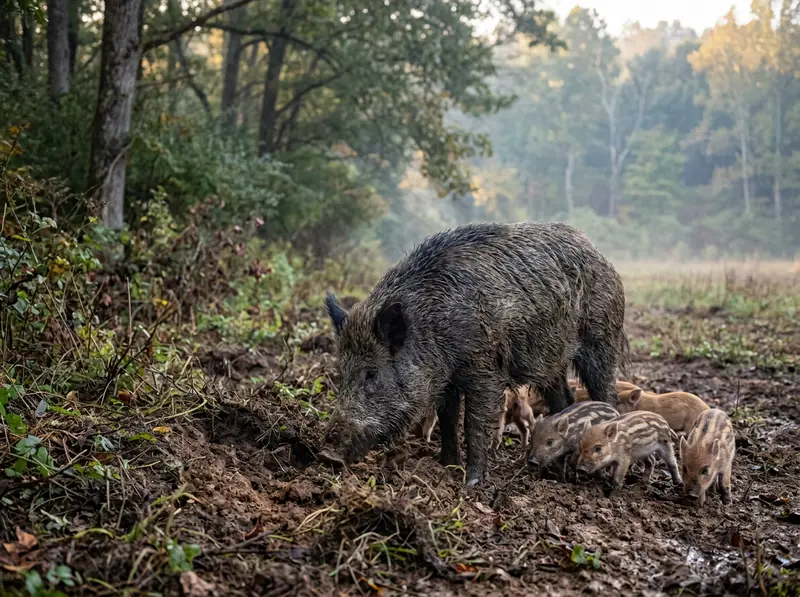
Feral Hog (Wild Boar)
Sus scrofa
Destroy crops and ponds, and spread disease to livestock.
 We Remove It
Raccoons and Skunks
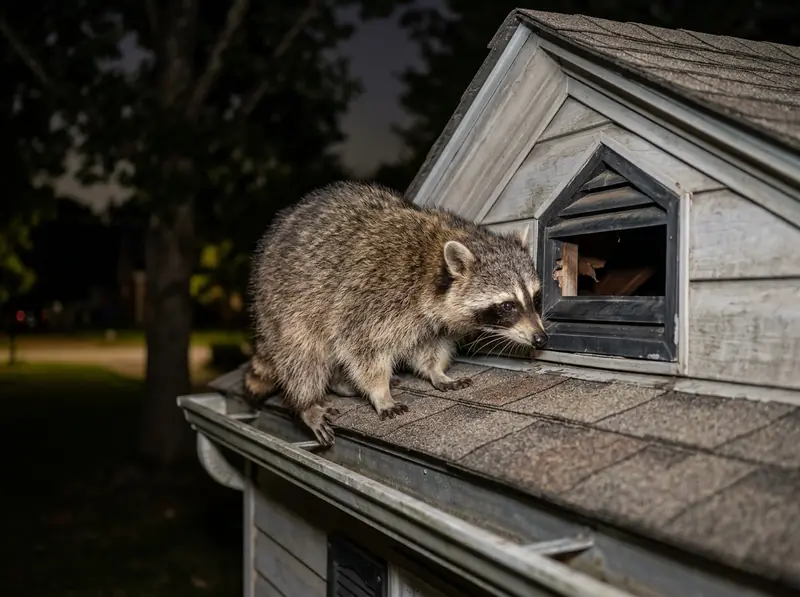
Raccoon
Procyon lotor
Carries rabies and roundworm, and can rip open roofs to nest.
 We Remove It
Raccoons and Skunks
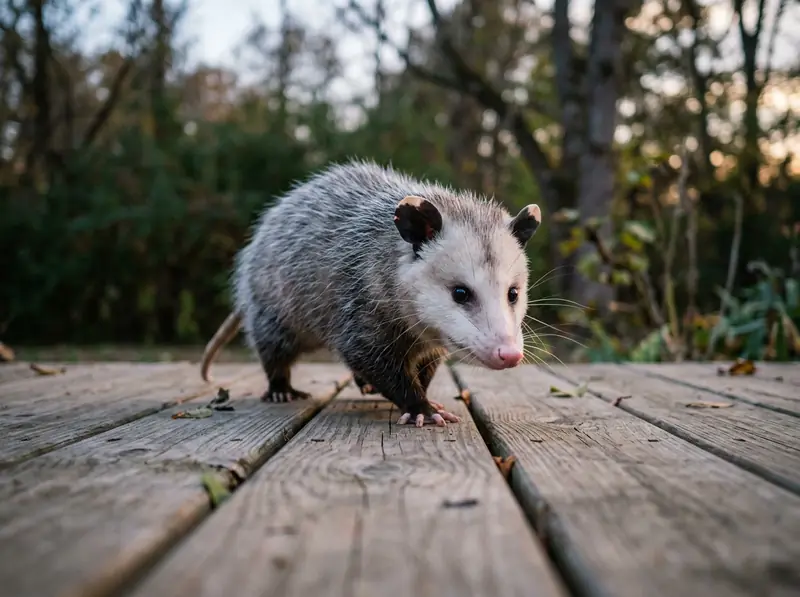
Virginia Opossum
Didelphis virginiana
Rarely aggressive, but they can bring fleas and ticks and den under homes.
 We Remove It
Raccoons and Skunks
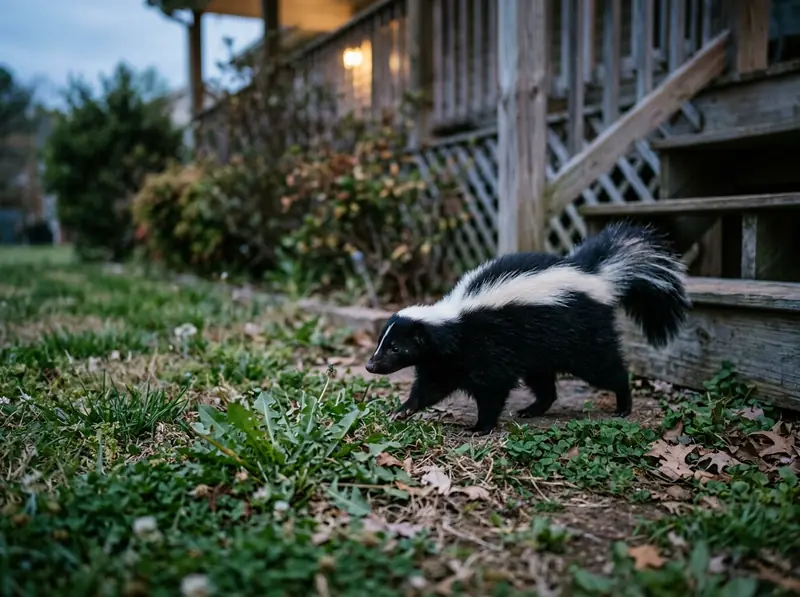
Striped Skunk
Mephitis mephitis
Spray is hard to remove, and skunks can carry rabies.
 We Remove It
Raccoons and Skunks
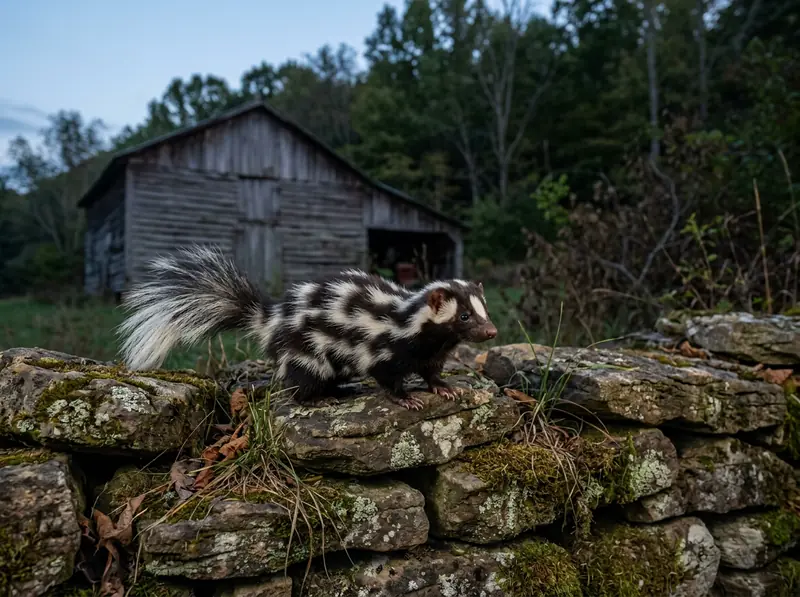
Eastern Spotted Skunk
Spilogale putorius
Small and secretive, and it can spray from a handstand.
 Humane Exclusion
Predators and Large
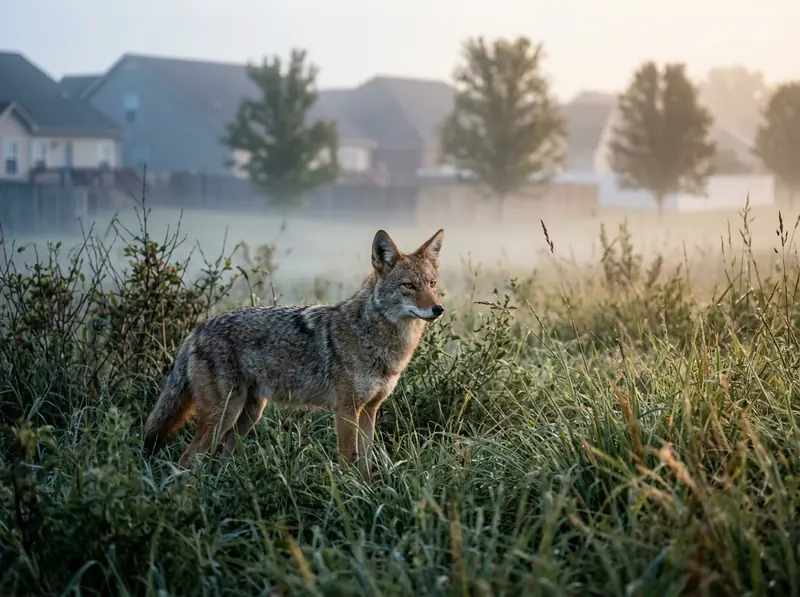
Coyote
Canis latrans
A danger to small pets and poultry, and they lose fear of people when fed.
 Humane Exclusion
Predators and Large
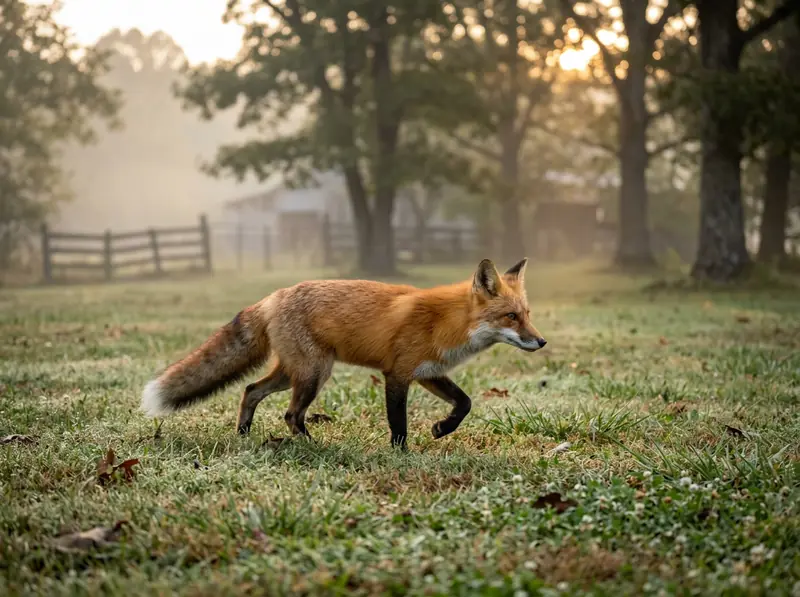
Red Fox
Vulpes vulpes
Prey on poultry and small pets, and foxes can carry mange and rabies.
 Humane Exclusion
Predators and Large
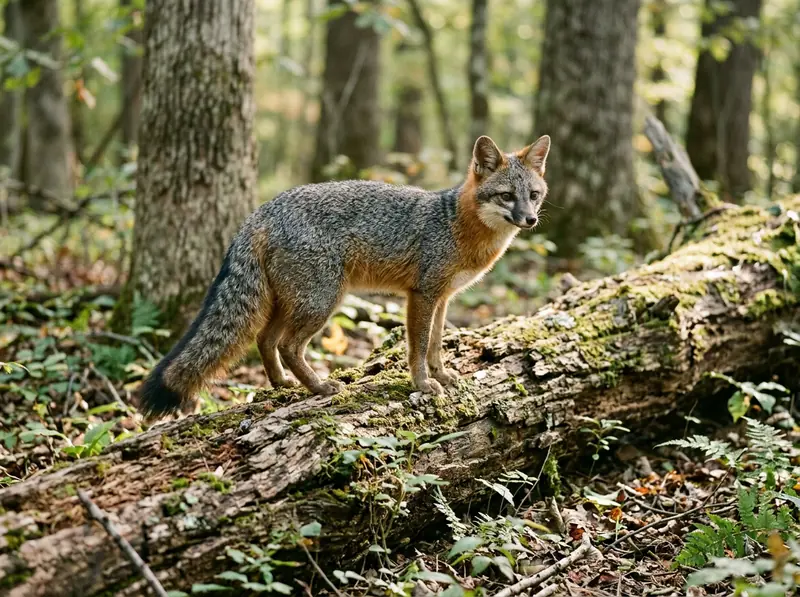
Gray Fox
Urocyon cinereoargenteus
It climbs, so it can reach poultry and low roofs.
 Call TWRA First
Predators and Large
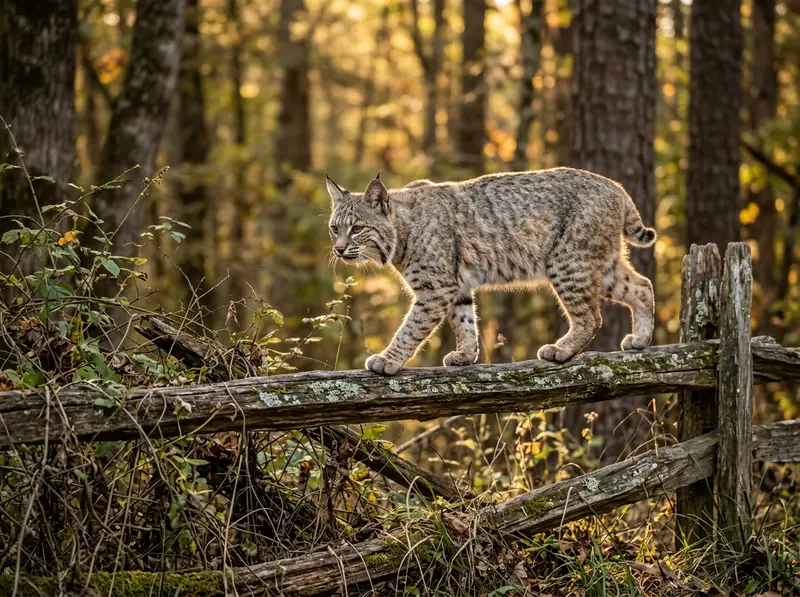
Bobcat
Lynx rufus
Shy and rarely a danger to people, but poultry and small pets are at risk.
 Call TWRA First
Predators and Large
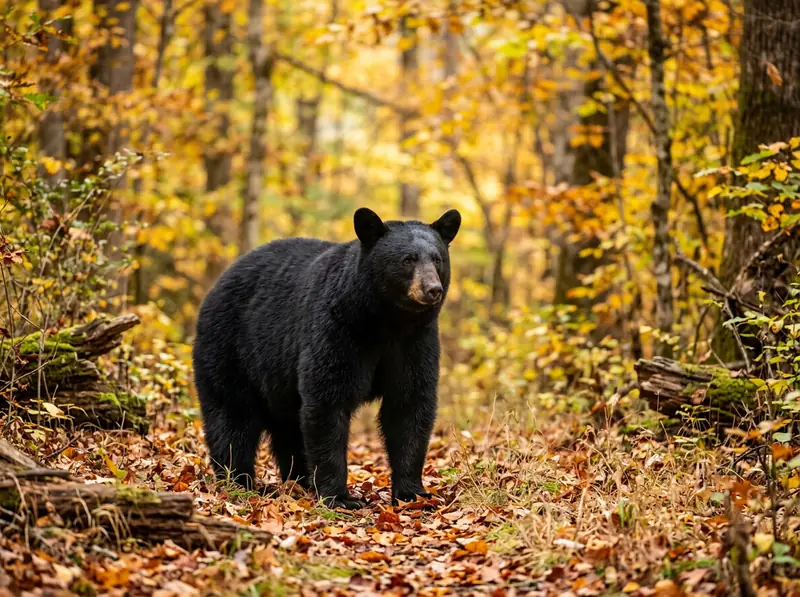
Black Bear
Ursus americanus
Bears that find food lose their fear, so secure trash and feeders and call TWRA.
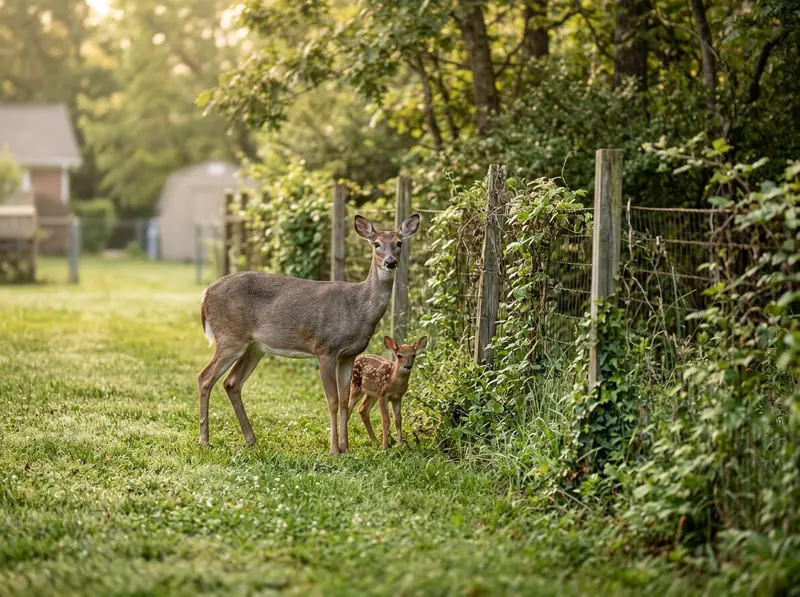 Call TWRA First
Predators and Large
White-tailed Deer
Odocoileus virginianus
Strip landscaping, and collisions are a real danger on Tennessee roads.
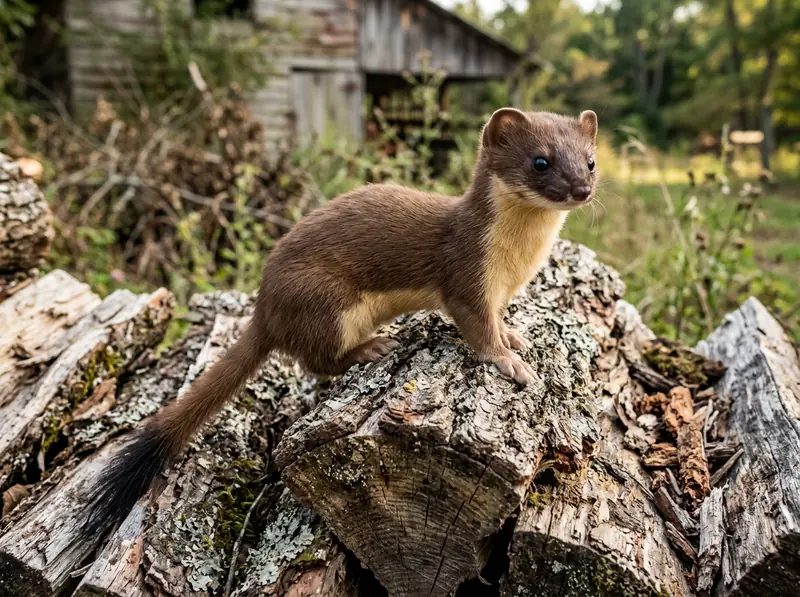 We Remove It
Predators and Large
Long-tailed Weasel
Mustela frenata
A fast predator that can squeeze through small gaps into coops.
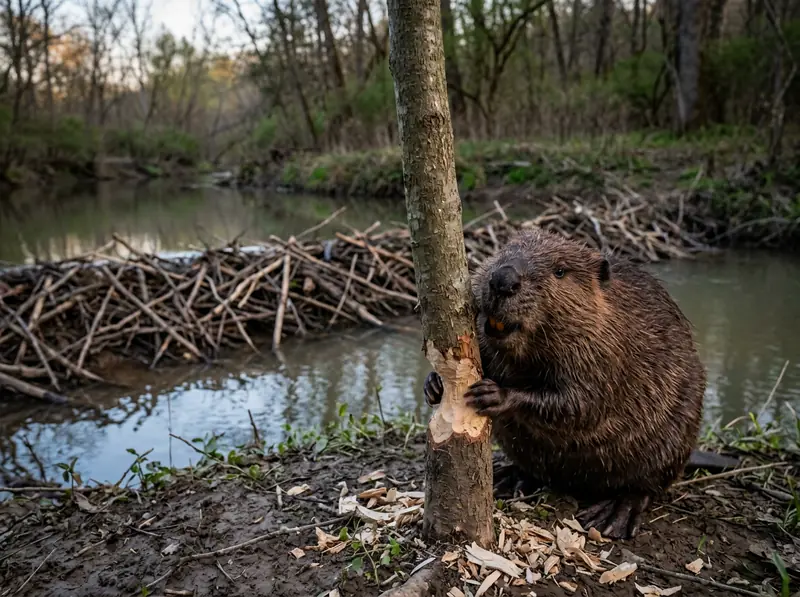 We Remove It
Water Animals
North American Beaver
Castor canadensis
Flood roads and fields and kill valuable trees.
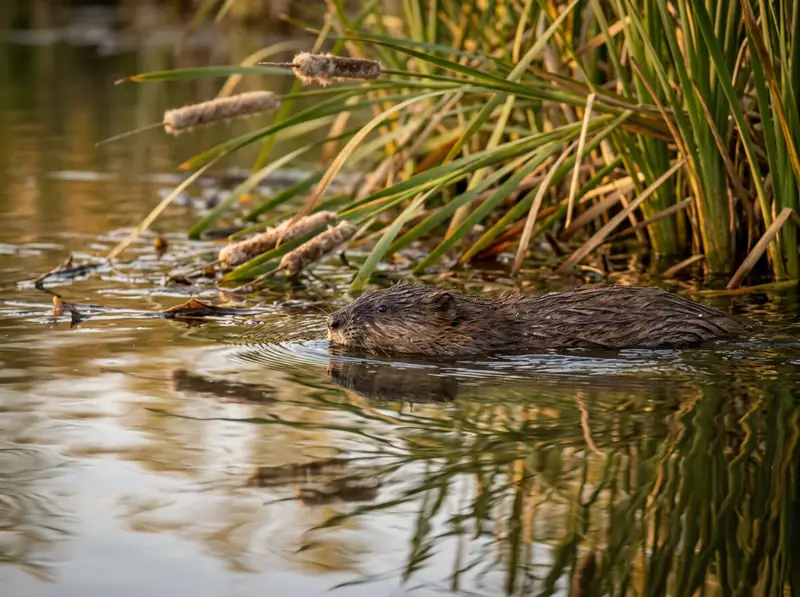 We Remove It
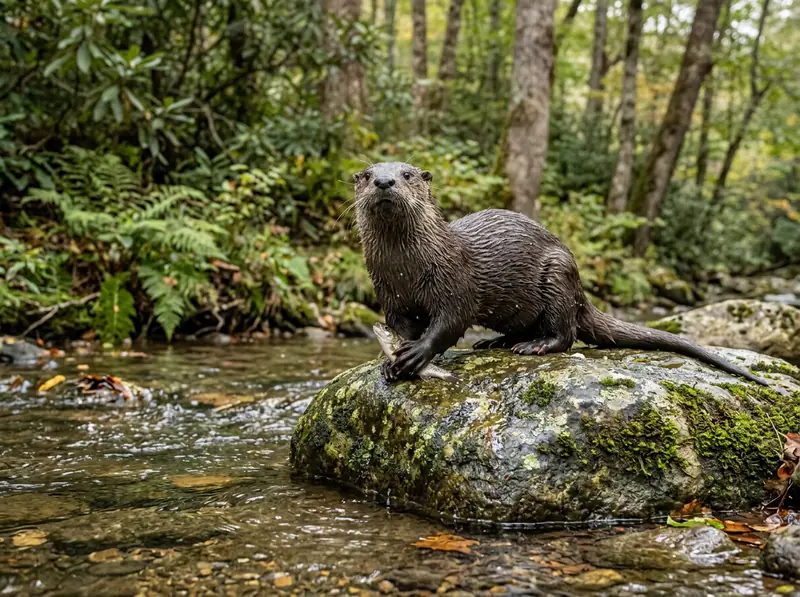 Call TWRA First
Water Animals
North American River Otter
Lontra canadensis
Can empty a stocked pond in a night, and the species is regulated.
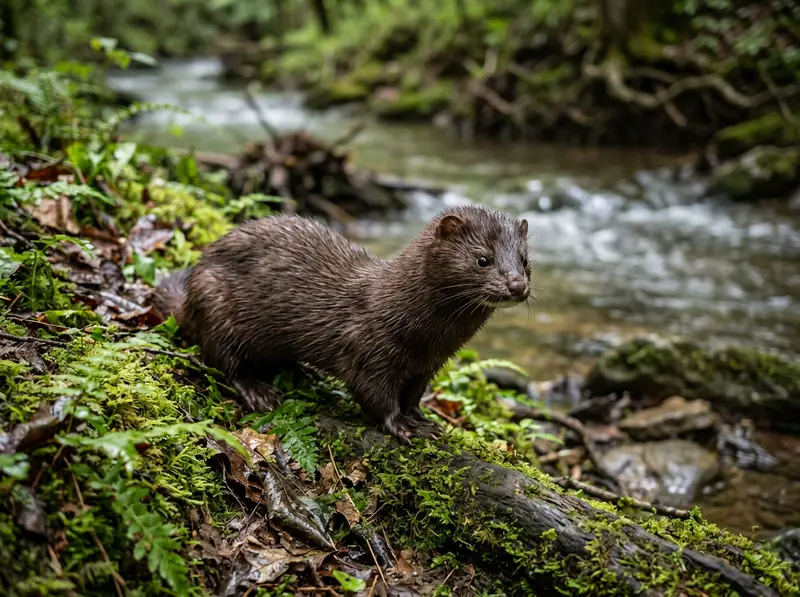 Humane Exclusion
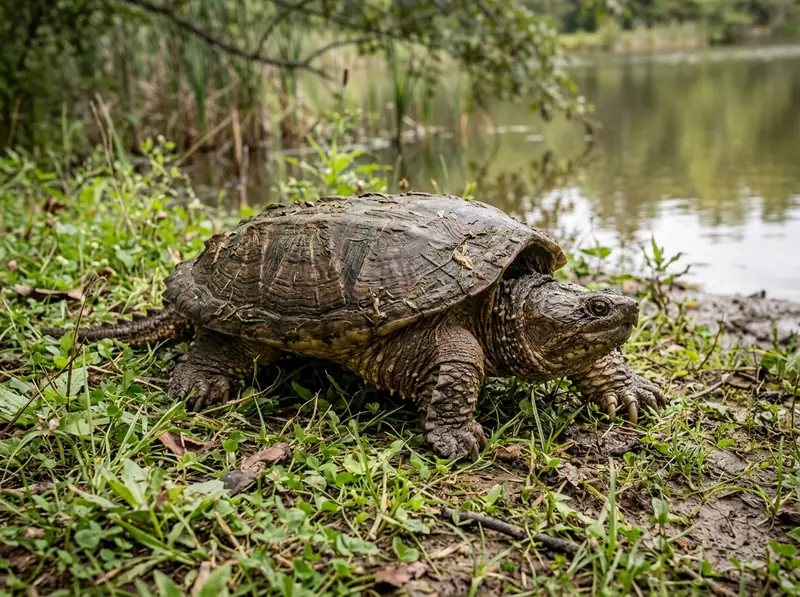 Identify First
Water Animals
Common Snapping Turtle
Chelydra serpentina
Has a strong bite and a long neck, so never lift one by the tail.
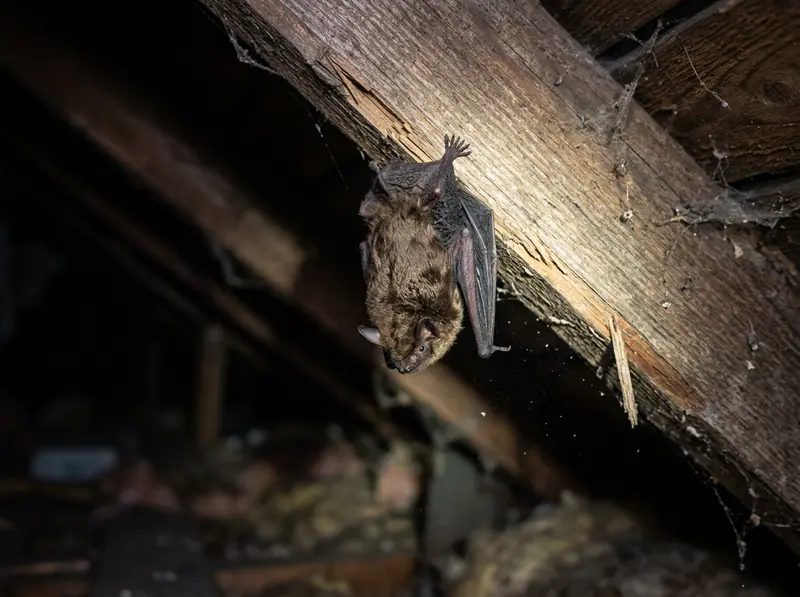 Humane Exclusion
Bats
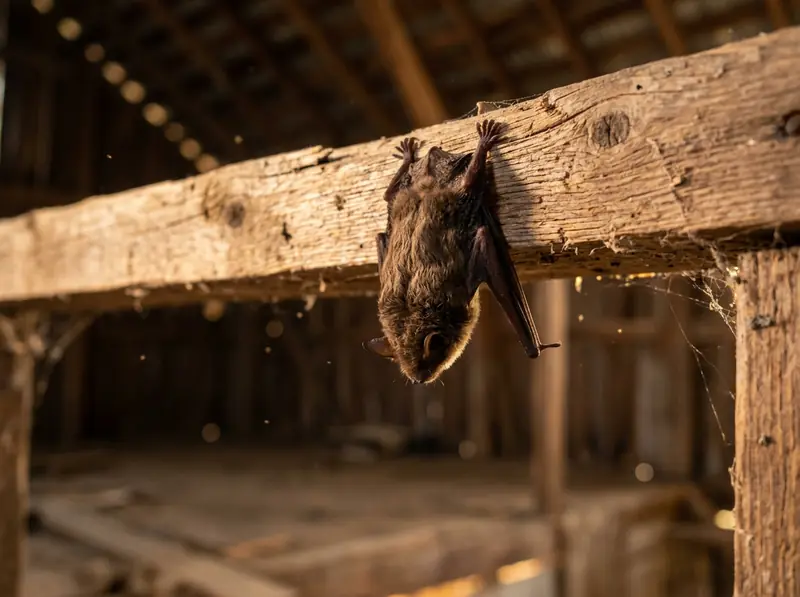
Big Brown Bat
Eptesicus fuscus
Droppings (guano) can carry fungus spores, and bites can carry rabies.
 Humane Exclusion
Bats
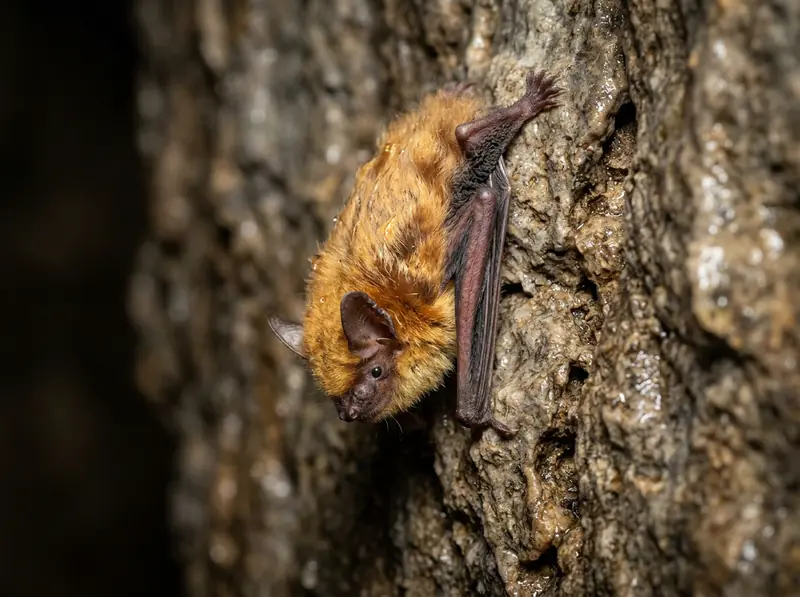
Little Brown Bat
Myotis lucifugus
Populations have dropped from white-nose syndrome, and exclusion has to be timed with care.
 Humane Exclusion
Bats
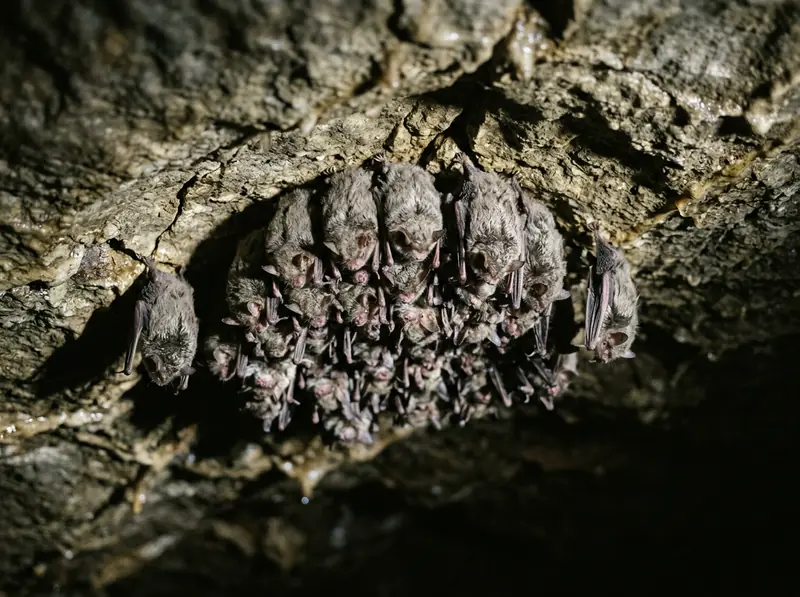
Tricolored Bat
Perimyotis subflavus
A species of concern, so handling must follow state and federal guidance.
 Protected Species
 Protected Species
 Protected Species
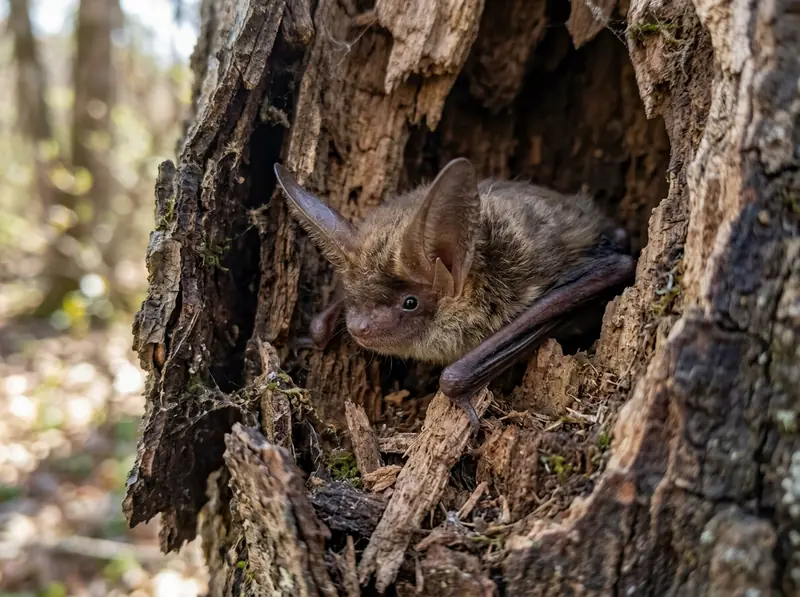
Bats
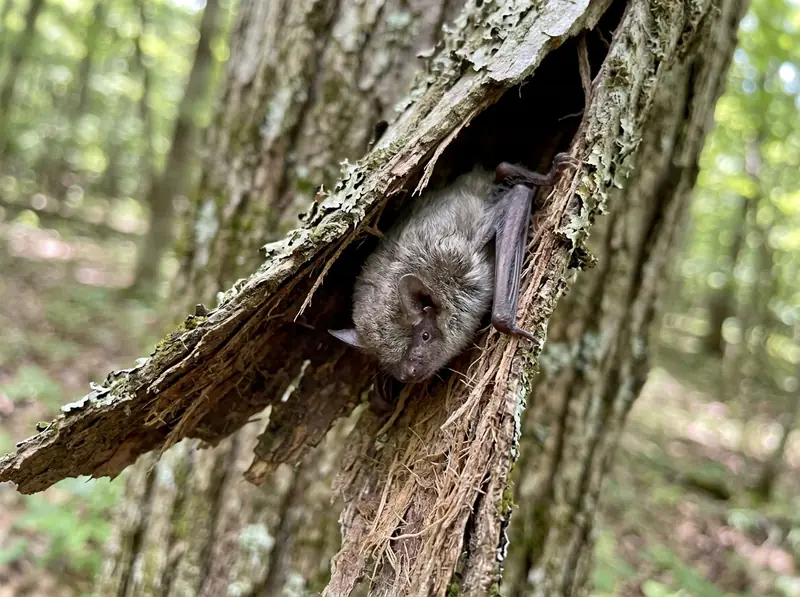
Northern Long-eared Bat
Myotis septentrionalis
A federally protected species, so get guidance before any exclusion.
 We Remove It
Birds
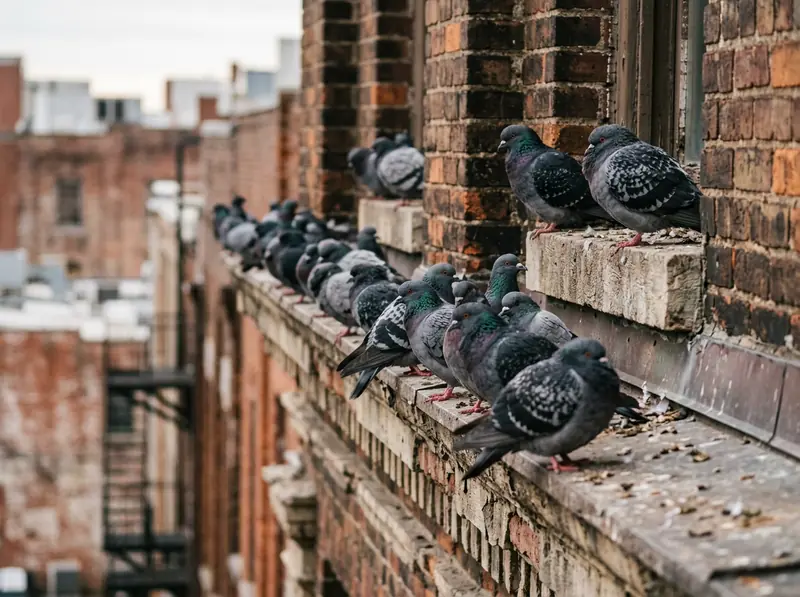
Rock Pigeon
Columba livia
Droppings carry fungus and corrode roofing, and stain vehicles and walkways.
 We Remove It
Birds
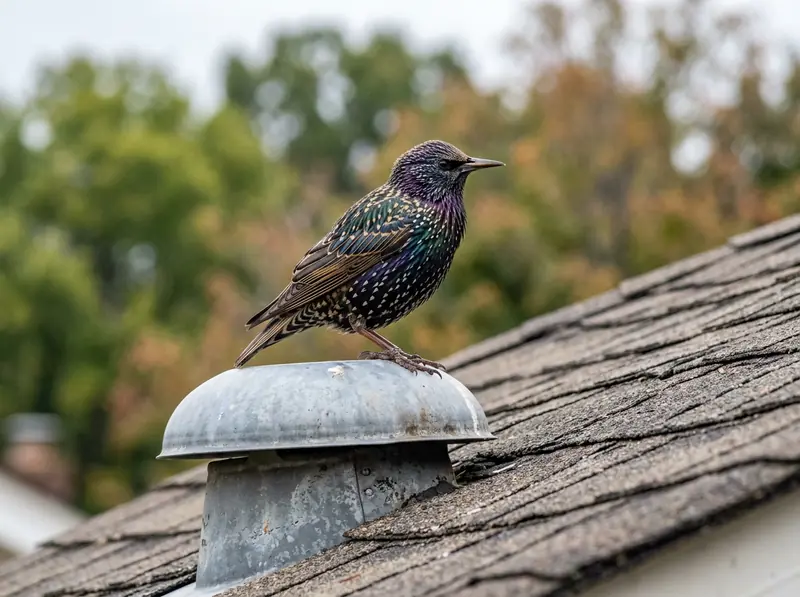
European Starling
Sturnus vulgaris
Block vents with nests, which is a fire hazard, and flocks leave heavy droppings.
 We Remove It
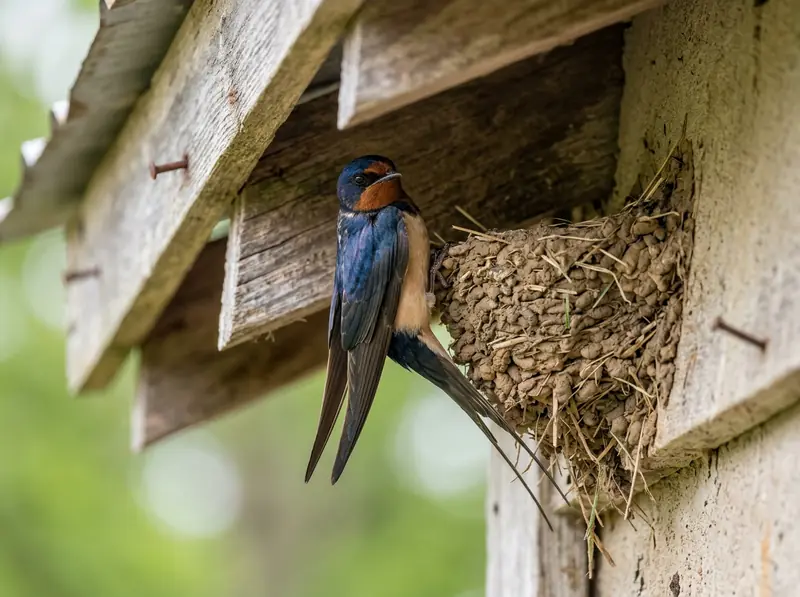 Protected Species
Birds
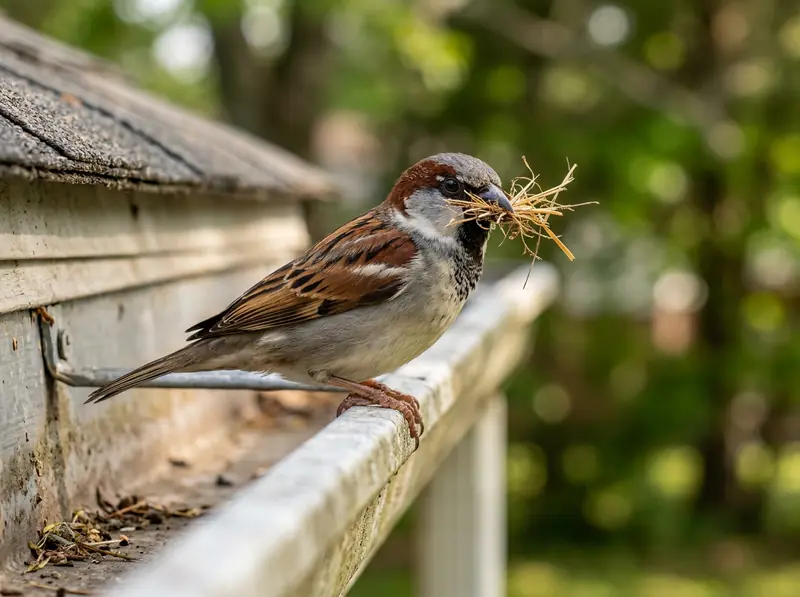
Barn Swallow
Hirundo rustica
Protected by federal law, so nests that are in use can’t be disturbed.
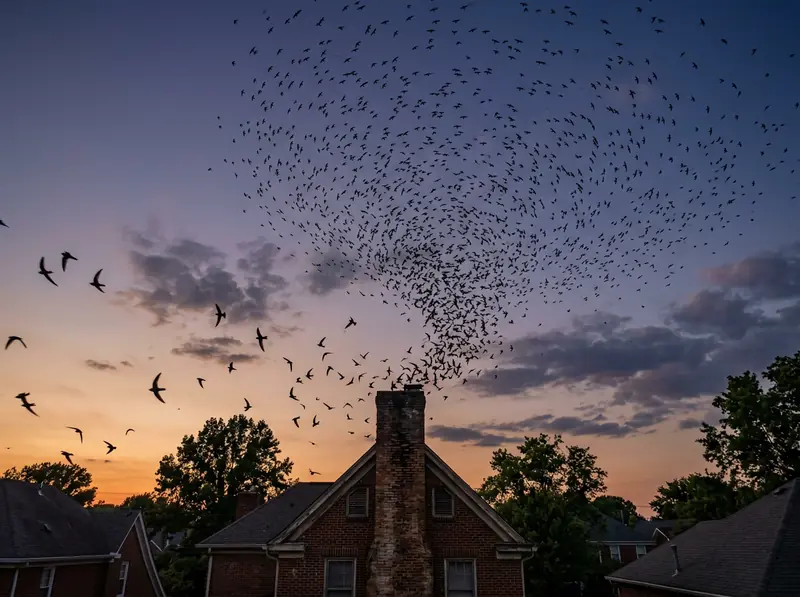 Protected Species
Birds
Chimney Swift
Chaetura pelagica
Protected by federal law, and a nest has to be left alone while it is active.
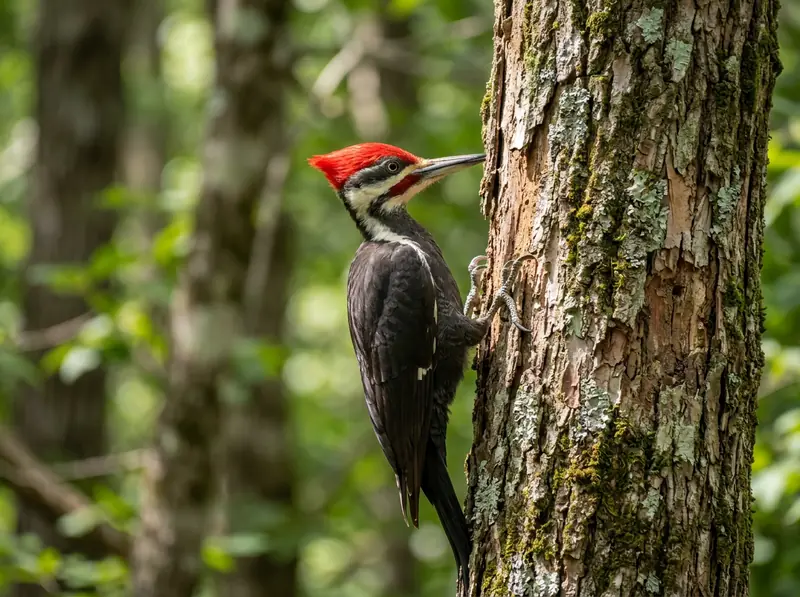 Protected Species
Birds
Pileated Woodpecker
Dryocopus pileatus
Protected by federal law, and damage to siding invites moisture and insects.
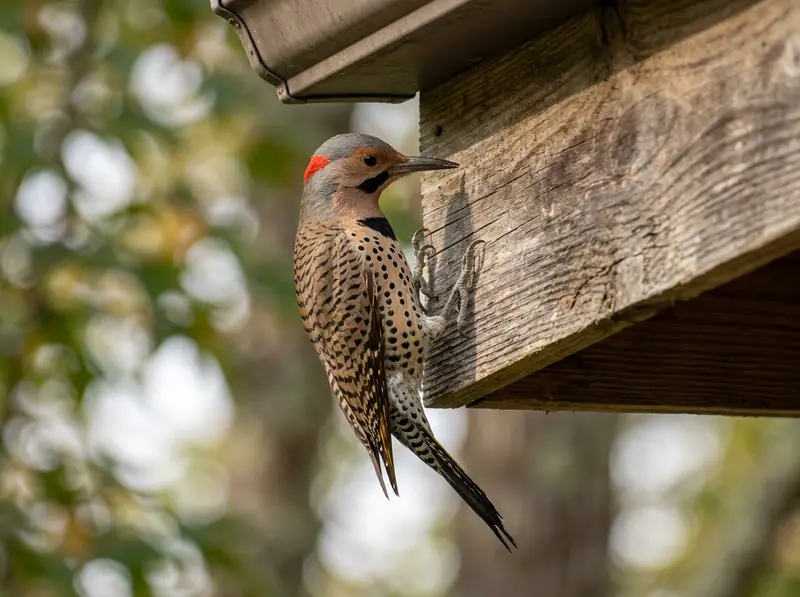 Protected Species
Birds
Northern Flicker
Colaptes auratus
Protected by federal law, and drumming and holes lead to roof and trim damage.
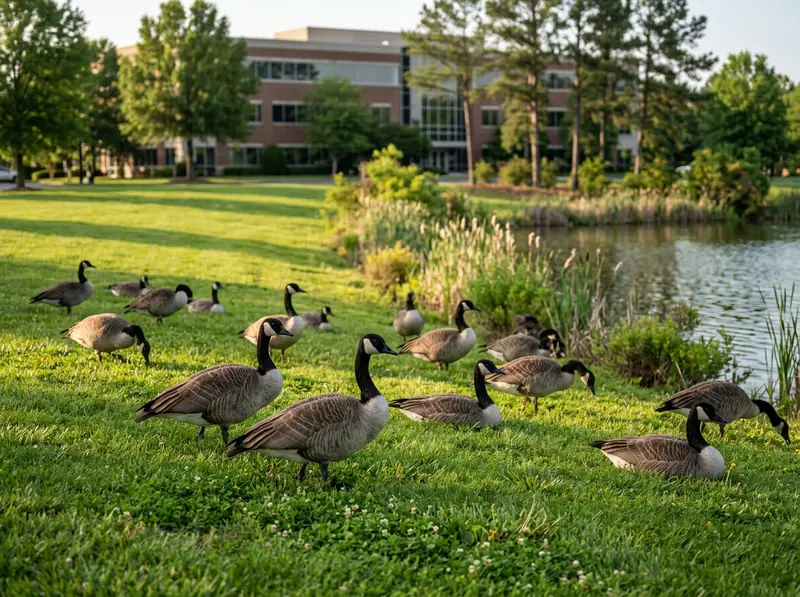 Humane Exclusion
Birds
Canada Goose
Branta canadensis
Lawns and walkways are fouled, and nesting geese can be aggressive.
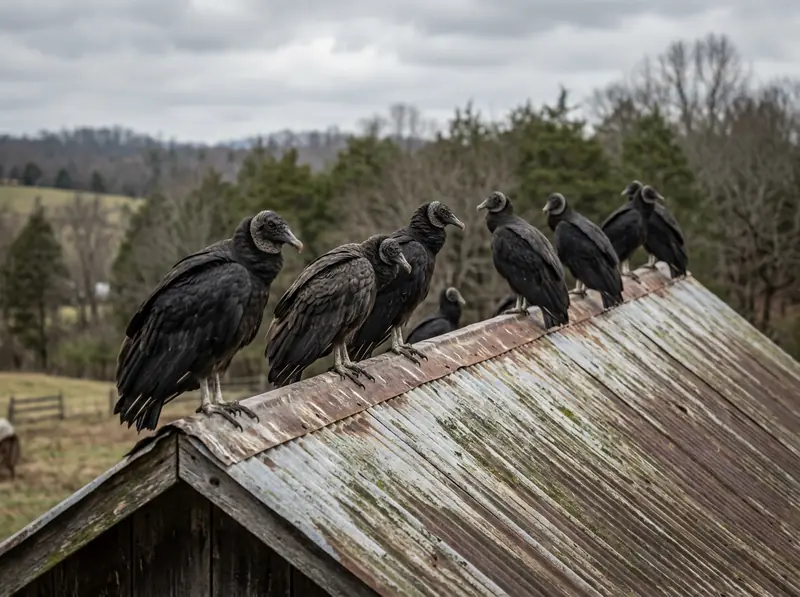 Protected Species
Birds
Black Vulture
Coragyps atratus
Protected by federal law, and groups can damage roofs and harm livestock.
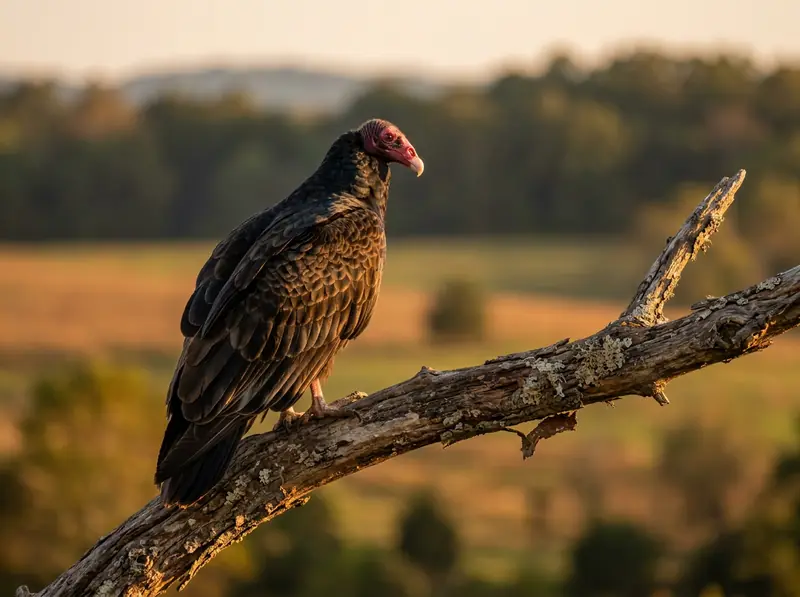 Protected Species
Birds
Turkey Vulture
Cathartes aura
Protected by federal law, and roosts can stain roofs and smell strong.
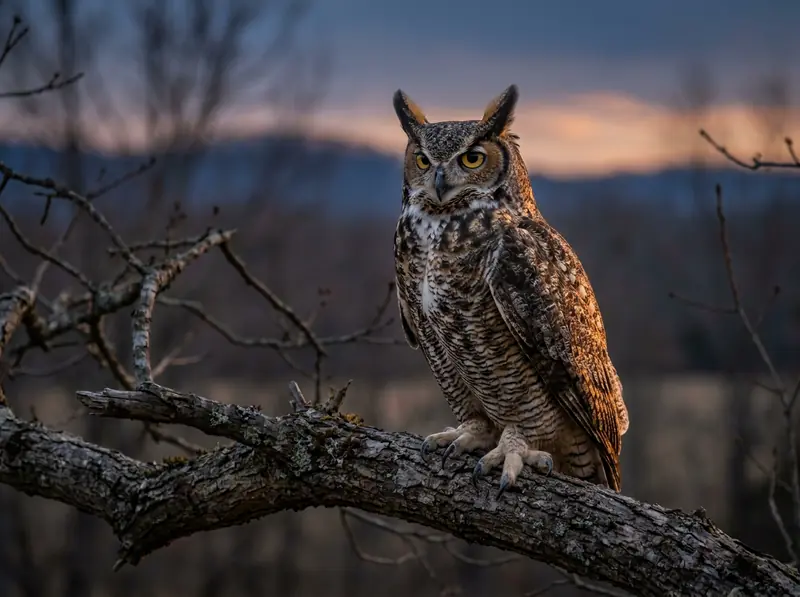 Protected Species
Birds
Great Horned Owl
Bubo virginianus
Protected by federal law, and a nesting owl can defend its nest.
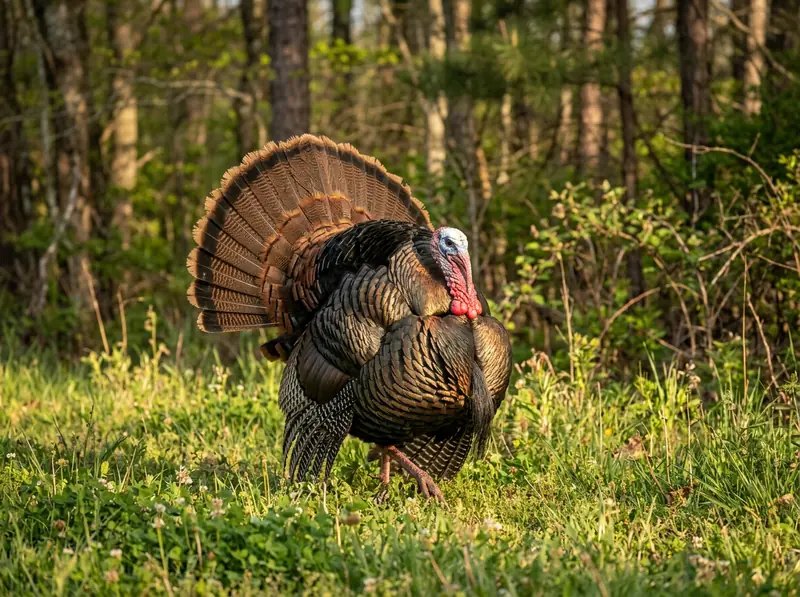 Call TWRA First
Birds
Wild Turkey
Meleagris gallopavo
Males can act aggressively toward people and vehicles in spring.
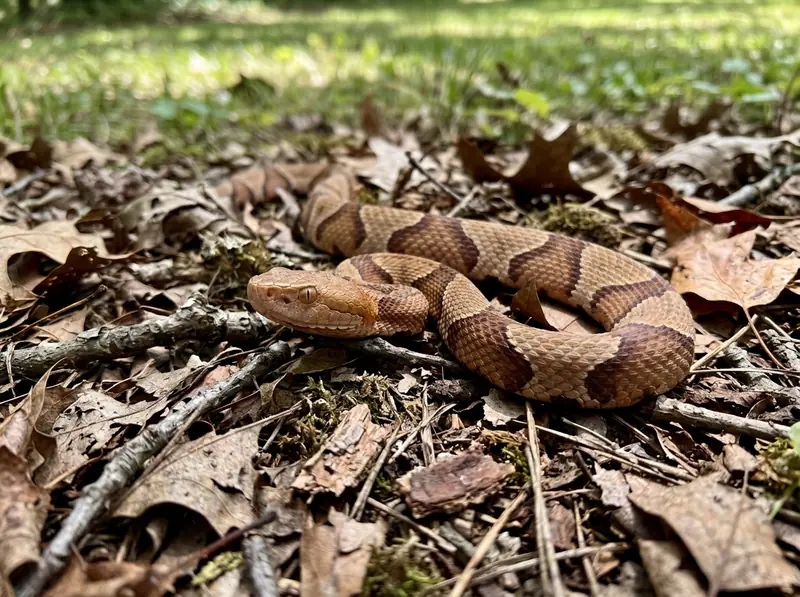 We Remove It
Snakes
Copperhead
Agkistrodon contortrix
Venomous: bites are painful and need medical care, so keep people and pets away.
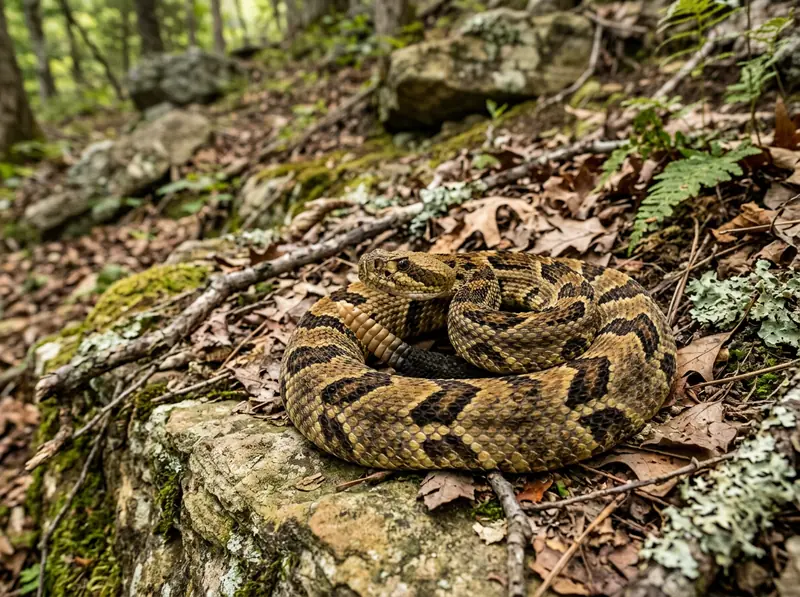 Call TWRA First
Snakes
Timber Rattlesnake
Crotalus horridus
Venomous and a species of special concern, so keep your distance and call for help.
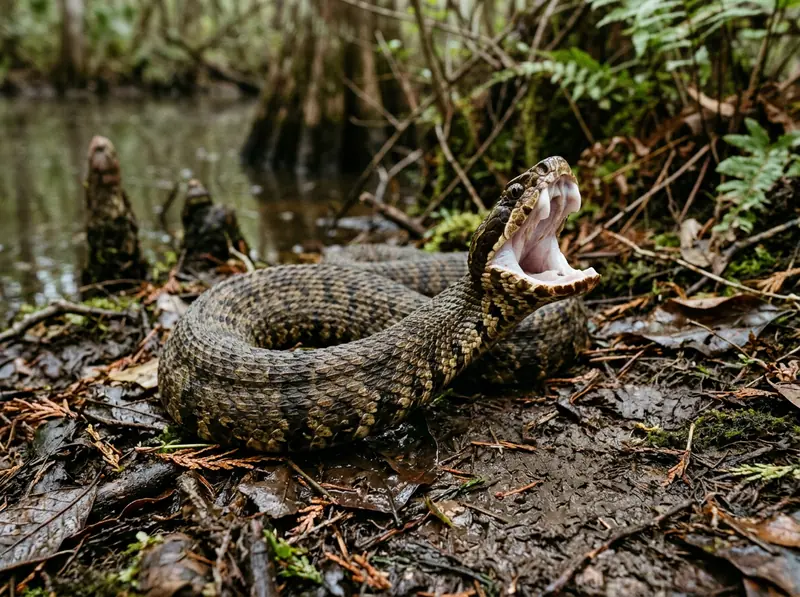 We Remove It
Snakes
Cottonmouth (Water Moccasin)
Agkistrodon piscivorus
Venomous, and it is often mistaken for harmless water snakes.
 Identify First
Snakes
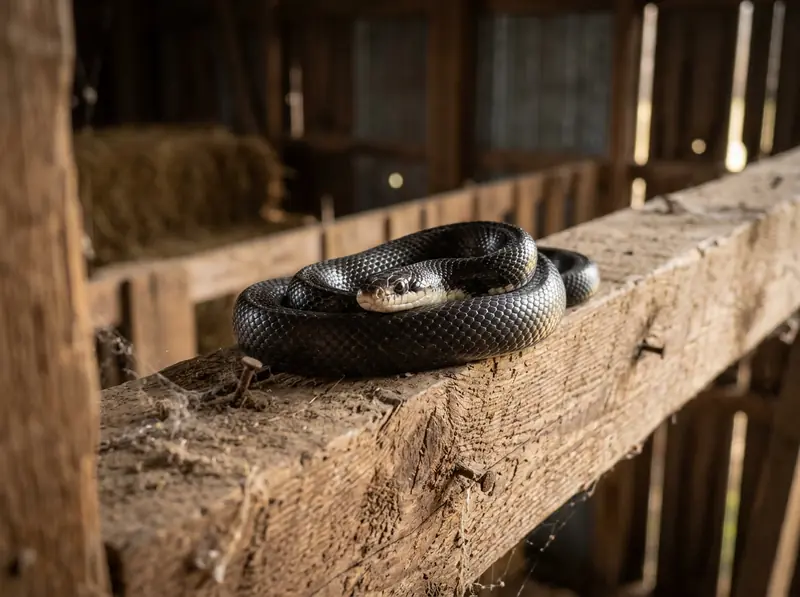
Black Rat Snake
Pantherophis alleghaniensis
Harmless to people and good at rodent control, but it can startle people in attics.
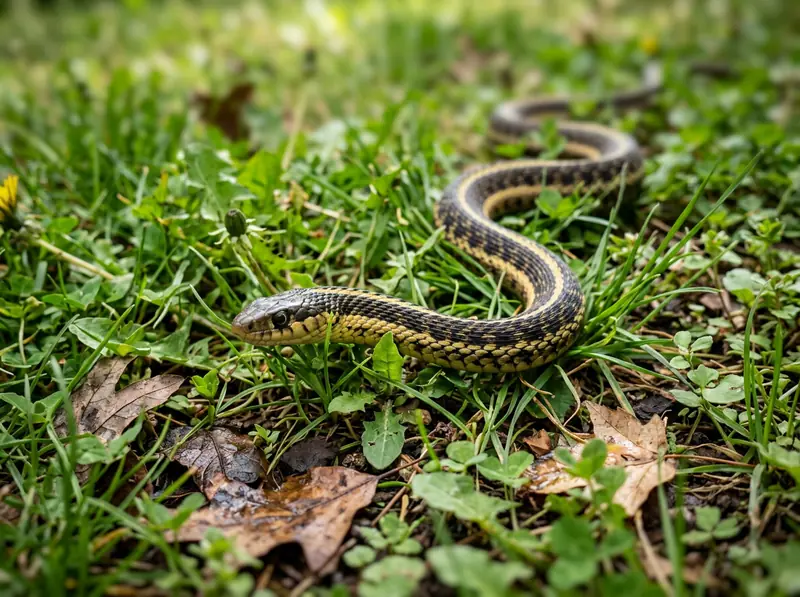 Identify First
 Identify First
Snakes
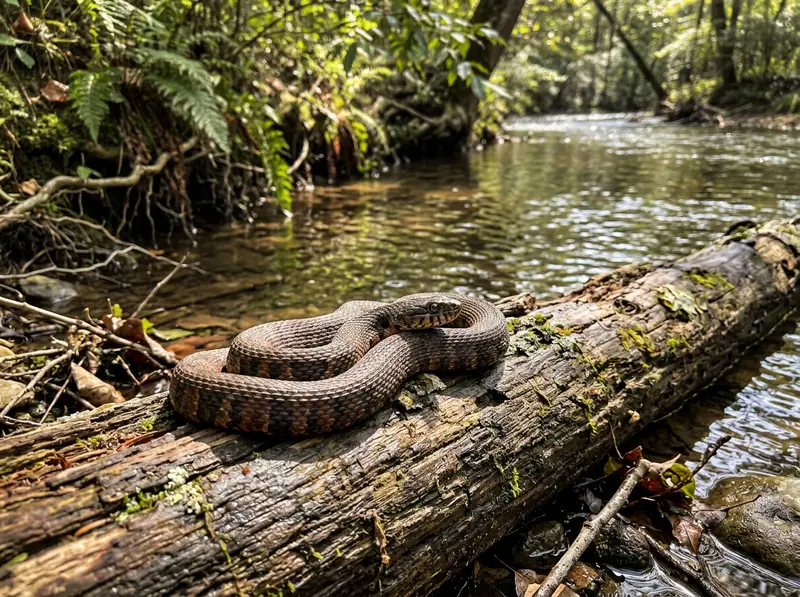
Northern Water Snake
Nerodia sipedon
Non-venomous but bites when handled, and it is commonly mistaken for a cottonmouth.
 We Remove It
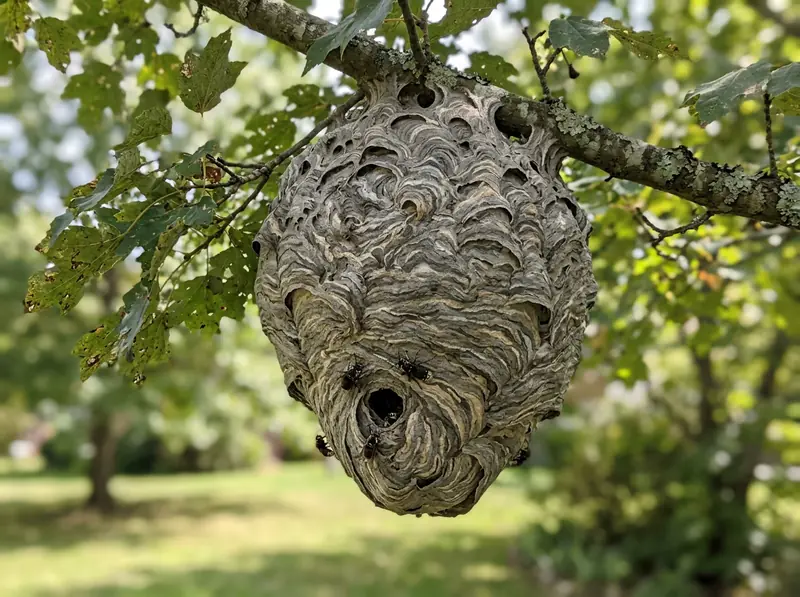 We Remove It
Stinging Insects
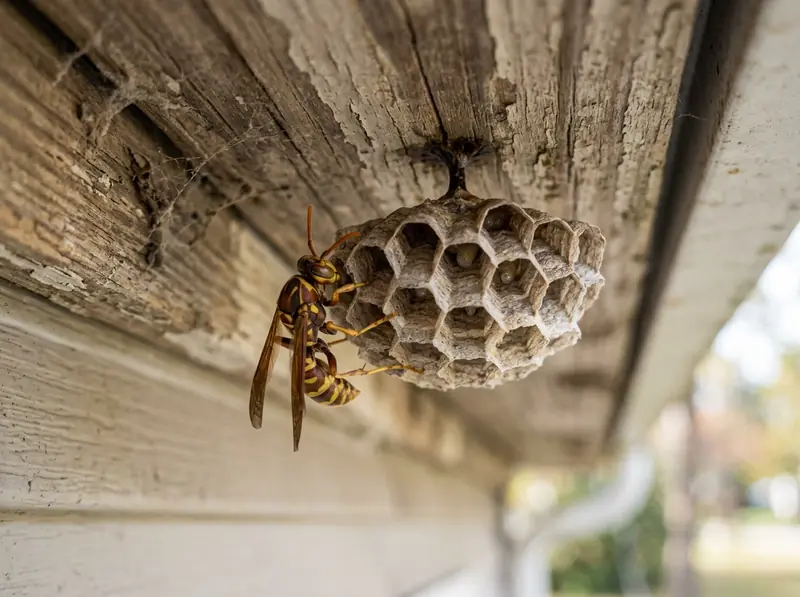
Bald-faced Hornet
Dolichovespula maculata
Defend nests in force and can sting repeatedly.
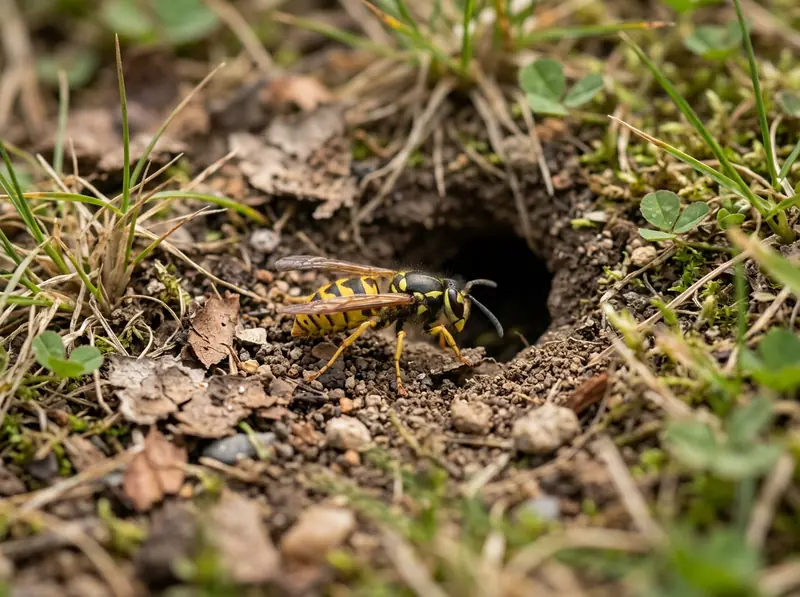 We Remove It
Stinging Insects
Yellowjacket
Vespula
Aggressive and sting repeatedly, and ground nests are often stepped on by accident.
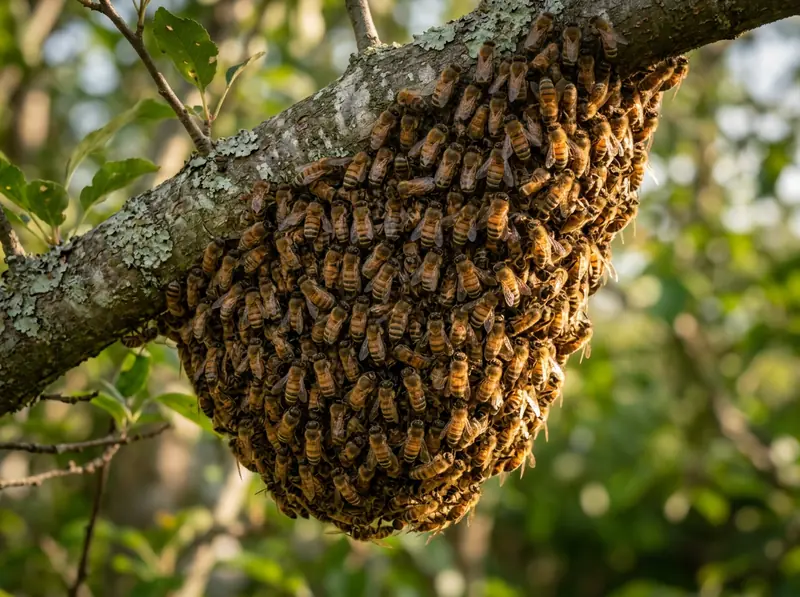 Humane Exclusion
Stinging Insects
Honey Bee
Apis mellifera
Bees are valuable, so live relocation is best, and honey left in walls draws pests.
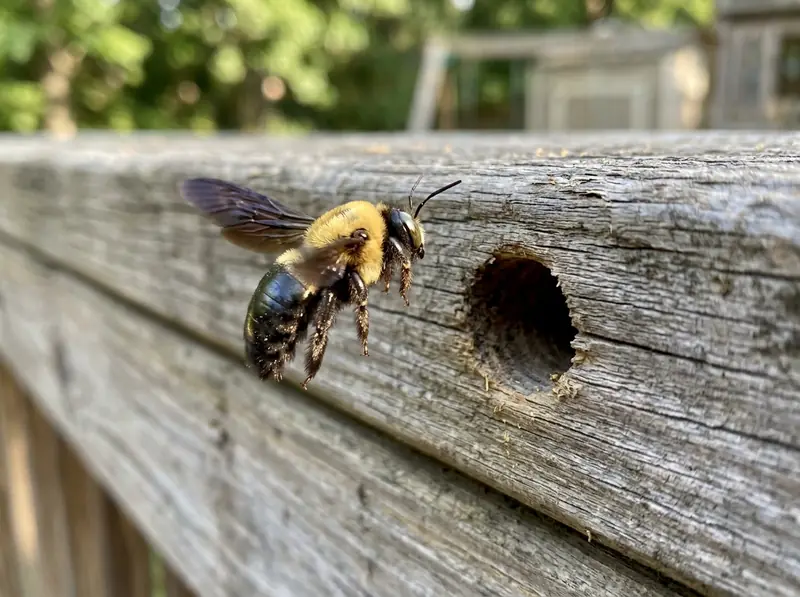 We Remove It
Stinging Insects
Carpenter Bee
Xylocopa virginica
Tunnels weaken wood over time, and woodpeckers tear it up chasing larvae.
Not Sure Which Animal?
Identify It With Three Questions
Pick where it is, when you notice it and what you see, and the tool ranks the likely animals.
Nothing you enter is sent anywhere until you choose to send it to us.
Protected and Regulated Wildlife
Some Animals Need Special Care
Protected species
Many Tennessee animals are protected by state or federal law, including songbirds, woodpeckers, swifts, swallows, vultures, owls and several bats. Nests and roosts can be off limits. We advise, prevent and use exclusion only where it is allowed and at the right time.
Call TWRA
The Tennessee Wildlife Resources Agency manages bears, deer, turkeys and other regulated animals. If one is injured or poses a danger, call TWRA. We can help you protect your property.
Not sure?
Call us at 615-357-7797. We will tell you what applies and what to do next. See our guide to Tennessee wildlife rules.
How many animals are on the list?
59 animals that Tennessee homeowners and businesses commonly deal with, and we add to it over time.
Is every animal removed?
No. Some are protected, some are best left alone and some are handled by TWRA. Each page explains what we do.
Is it a complete list of every animal in Tennessee?
It covers the wildlife that people most often ask about around homes and properties, not every species in the state.
What should I do if I hear noises in my attic?
Do not seal anything. Note the time of day and the type of sound and call us. A daytime scratch is often a squirrel, while night thumping can be a raccoon, a rodent or bats.
Will baby animals be left behind?
No. We check for young before any work and time removals so mothers and babies are removed or reunited together.
Free Estimate
Tell Us What Is Going On
Describe what you see, hear or smell and we will get back to you quickly with a plan and a free estimate. For an animal in the house or any emergency, skip the form and call 615-357-7797 any hour.
Get Your Free Estimate
Music City Wildlife removes and prevents wildlife problems in homes and businesses across Nashville and Middle Tennessee, from squirrels in the attic to bats in the walls, with humane methods, careful sealing and cleanup.
- 615-357-7797
- Open 24 hours for emergencies
- Nashville, Tennessee · Servicing Middle Tennessee
Follow Us